When the Orthodontist Hands You a Retainer and Zero Instructions
You survived the braces years. The appointments, the food restrictions, the emergency wire pokes at 9 PM on a Friday. And now, finally, the braces are off and your kid's smile looks amazing. Then the orthodontist hands you a small plastic case, says "make sure they wear this every night and keep it clean," and sends you on your way.
Fast forward two weeks, and the retainer has already survived a trip through the washing machine (still in the jeans pocket), a near-miss with the cafeteria trash can, and is currently sitting at the bottom of a backpack underneath a week's worth of crumpled homework.
Sound familiar? You are not alone.
Kids retainer care is one of those things that sounds simple in theory but requires genuine strategy in real life, especially when you are dealing with a teenager who has a thousand other things on their mind. This guide is here to help you build a retainer care routine that actually works, not just for you, but for your kid too.
Why Retainer Care Matters More Than You Think
Before we get into the how, let us take a moment on the why, because teenagers respond better when they understand the reason behind a rule.
After braces come off, teeth have a natural tendency to shift back toward their original positions. The retainer is the only thing standing between two-plus years of orthodontic work and a slow return to square one. A neglected or poorly maintained retainer creates two major problems:
- It stops being worn. A retainer that smells bad, tastes weird, or is constantly lost is a retainer that ends up in a drawer. Once wearing becomes inconsistent, teeth start to move.
- It becomes a health hazard. The mouth is full of bacteria, and a retainer that is not cleaned properly becomes a breeding ground for plaque, tartar, and even harmful bacteria. Studies have shown that retainers can harbor the same bacteria found in dental plaque, which can contribute to tooth decay and gum problems if hygiene is neglected.
This is why teenager retainer hygiene is not just about keeping a piece of plastic clean. It is about protecting a major investment and your child's long-term oral health.
Understanding What Type of Retainer Your Child Has
Retainer tips for parents always start with knowing what you are working with. There are three main types of retainers, and each has slightly different care requirements.
Hawley Retainers
These are the classic wire-and-acrylic retainers. They are durable and adjustable. They can be cleaned with a soft toothbrush and mild soap or a retainer cleaning tablet.
Clear Plastic Retainers (Essix Retainers)
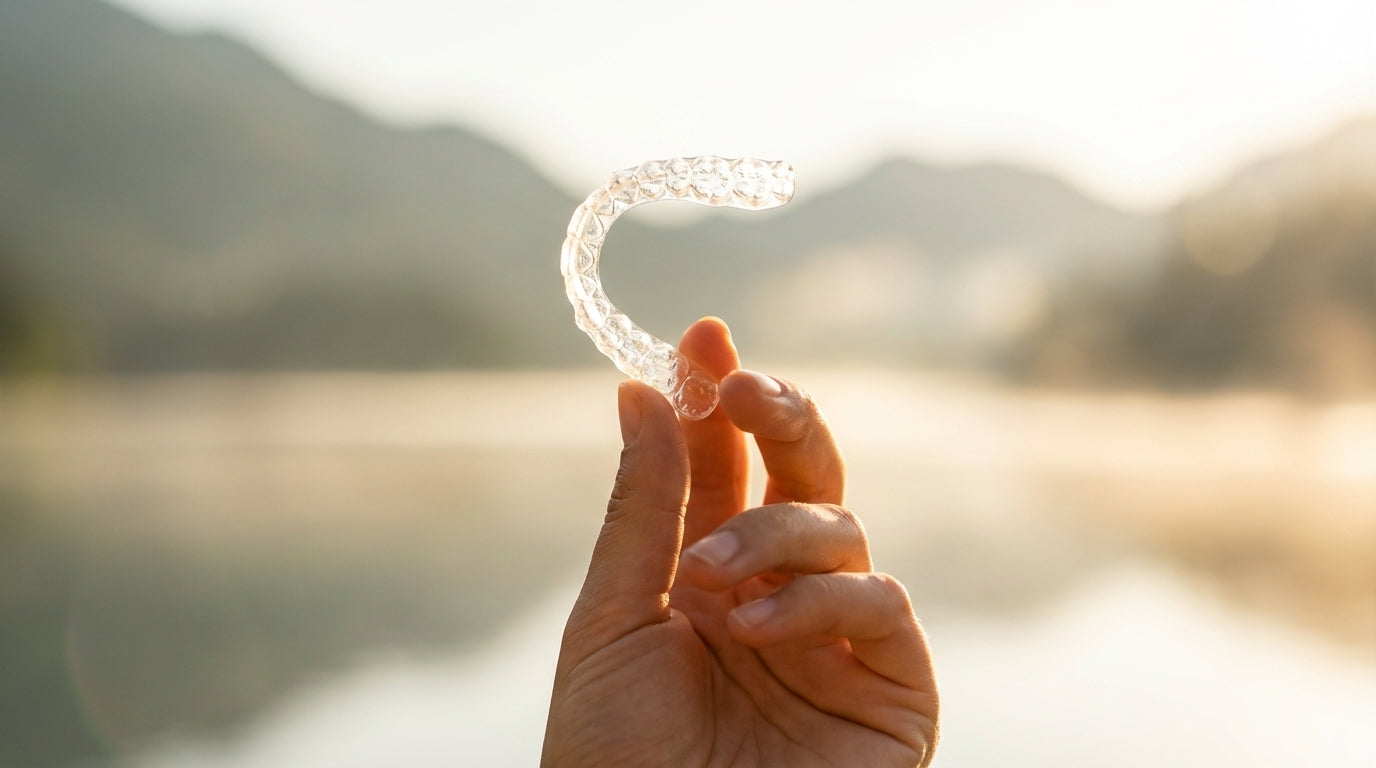
These look similar to Invisalign trays and are the most commonly issued after braces. They are less visible but more prone to warping if exposed to heat. Never rinse them with hot water or leave them in a hot car.
Fixed (Bonded) Retainers
These are thin wires bonded to the back of the teeth, usually the lower front teeth. They are not removable, so care means paying extra attention when brushing and flossing around them. Your child's orthodontist will demonstrate how floss threaders work for these.
Knowing which type your child has will help you give them the right care instructions and avoid accidental damage.
Building a Retainer Care Routine Your Teenager Will Actually Follow
Here is the truth about retainer tips for parents: the routine has to be simple enough that a tired teenager will do it without being reminded every single night. If the routine requires multiple products, precise timing, or too many steps, it will fall apart within a month.
The goal is to attach retainer care to habits that already exist.
Morning: Clean It Before Storing It
When your teenager takes their retainer out in the morning, that is the perfect moment to clean it. The retainer has been in their mouth all night, and saliva and bacteria build up during sleep.
How to clean a child's retainer in the morning:
- Rinse the retainer under cool or warm (not hot) water immediately after removal
- Gently scrub it with a soft-bristled toothbrush (dedicate one just for the retainer)
- Use a small amount of mild, unscented dish soap or a non-whitening toothpaste
- Rinse thoroughly and place it in the case
This whole process takes about 60 seconds. Attach it to the brushing routine and it becomes automatic.
Parent tip: Buy a brightly colored toothbrush specifically for the retainer and keep it next to the regular toothbrush. Visual cues help build habits, especially for teens who are still half asleep in the morning.
Evening: Soak While They Do Homework or Wind Down
A few times per week, a deeper clean is a good idea. This is where retainer cleaning tablets come in. Brands like Retainer Brite or Efferdent are widely available and easy to use.
Drop the retainer in a small cup of cool or warm water with a cleaning tablet, let it soak for the recommended time (usually 15 to 20 minutes), then rinse and it is ready to wear. This removes built-up residue, kills bacteria, and keeps the retainer smelling fresh.
This is important: never soak a clear plastic retainer in mouthwash. The alcohol content and artificial dyes can cloud or discolor the plastic over time. Stick with dedicated retainer cleaning tablets or plain water soaks.
The Case Is Non-Negotiable
One of the biggest causes of lost or damaged retainers is putting them anywhere other than their case. In a pocket, on a lunch tray, in a napkin, on a nightstand. They all end up in the trash or on the floor.
Make the case the only acceptable storage spot. Keep a backup case at school if possible. If your teenager's school has a nurse's office or a locker, a spare case stored there can prevent the "I left it at home" problem.
Common Mistakes Parents and Teens Make With Retainers
Understanding what NOT to do is just as important as knowing the right routine. Here are the most frequent mistakes in kids retainer care that lead to damage, loss, or hygiene problems.
Using hot water to rinse. Hot water can warp clear plastic retainers permanently, changing their shape enough that they no longer fit correctly. Always use cool or room-temperature water.
Using toothpaste on clear retainers. Many toothpastes are abrasive and can create micro-scratches on clear retainers, making them cloudy and giving bacteria more places to hide. Use a gentle soap or dedicated retainer cleaner instead.
Leaving the retainer out for long periods. When retainers are not being worn, they should be in their case with a small amount of water or kept moist. Dry retainers can become brittle and lose their shape over time.
Not replacing the retainer when it no longer fits. Retainers have a lifespan. If your teenager's retainer feels tight, uncomfortable, or has visible cracks, schedule an appointment with the orthodontist. A retainer that does not fit properly is not doing its job.
Talking to Your Teenager About Retainer Responsibility
Part of building a good teenager retainer hygiene routine is having the right conversations. Teenagers are at an age where they need to understand the reasoning behind expectations, not just follow rules.
A few approaches that tend to work:
Connect it to vanity, not lectures. Teenagers care about their appearance. Remind them that their smile is one of the first things people notice, and the retainer is what keeps it looking the way it does right now. That framing tends to land better than "you have to do this because I said so."
Talk about the cost. A replacement retainer can cost anywhere from $150 to $500 or more depending on the type and your orthodontist. Letting your teenager know that losing or breaking a retainer is not a free mistake can add some extra motivation to keep track of it.
Give them ownership. Rather than reminding them every night, try setting up the routine together and then stepping back. Teens are more likely to follow through on habits they feel ownership over. A simple checklist on the bathroom mirror can serve as a prompt without feeling like nagging.
What to Do When Things Go Wrong
Even with the best routine, things happen. Here is a quick guide for common retainer emergencies:
- Lost retainer: Contact the orthodontist right away. Do not wait weeks hoping it turns up. Teeth begin shifting quickly without consistent retention.
- Cracked or broken retainer: Do not try to glue it back together. A broken retainer can be uncomfortable and ineffective. Get a replacement made.
- Retainer smells bad despite cleaning: This usually means bacteria have built up over time. Try a longer soak with a retainer cleaning tablet, and if the smell persists, ask the orthodontist about professional cleaning or whether a replacement is needed.
- Retainer no longer fits: Schedule an appointment immediately. Do not force the retainer in, as this can damage both the retainer and the teeth.
The Bottom Line on Kids Retainer Care
The retainer phase of orthodontic treatment is often the most overlooked, and the most critical. All the work that went into creating a beautiful smile depends on consistent, proper retention.
How to clean a child's retainer does not have to be complicated. It just has to be consistent. By building the routine into existing habits, making the right tools easy to access, and having honest conversations with your teenager about why it matters, you give that retainer the best chance of actually doing its job.
The goal is a clean, well-fitting retainer that your teenager wears every night without it becoming a nightly battle. With a little setup and the right expectations, that is completely achievable.